19th May 2026
While arthritis is a broad umbrella term for joint inflammation, covering around 100 issues, osteoarthritis is a particular form of this condition (and the most common one, affecting millions globally). It results from the mechanical wear-and-tear breakdown of protective cartilage as well as joint degradation or, frequently, injury; plus it’s degenerative. Other forms of arthritis, including rheumatoid arthritis, occur when the immune system attacks the joints.
Osteoarthritis leads to stiffness and joint pain which often improve with rest. With other kinds of inflammatory arthritis, symptoms may include swelling, redness and stiffness which can last several hours, particularly in the mornings.
Management of these conditions may typically involve a combination of low-impact workouts such as walking or swimming, alongside measures like pain relief and weight management. A tailored strategy might also use physical therapy, assistive devices, lifestyle changes and physiotherapy to minimise symptoms and enhance mobility.
Physical activity is, of course, essential for all of us, whether we have any form of arthritis or not. For those with a condition like this, exercise is especially effective in strengthening the muscles around the joints so they serve as a protective brace, while increasing cartilage lubrication to lessen stiffness. What’s more, physical activity is a great way to naturally bring down your sensitivity to pain. As the saying goes, motion is lotion!
The World Health Organization (WHO) recommendations for adults to reduce the impact of a sedentary lifestyle is to complete a minimum of 150 minutes of moderate-intensity exercise weekly, or 75 minutes of more vigorous aerobic activity, or any combination of both.
You can also work towards this target in short bursts throughout the day, even for a mere few minutes in one go; intermittent activity still yields noticeable benefits. In patients experiencing inflammatory arthritis in particular, exercise slows the progress of the condition, while enhancing physical function and general quality of life.
Yet many people who have arthritis are not as physically active as those who do not.
With this in mind, the European Alliance of Associations for Rheumatology recently changed its guidance on exercise for this group, so it aligns with the WHO’s work in the field of promoting healthy lifestyles.
The EULAR updates replace advice first published in 2018 in the light new evidence, especially around the use of tech, while the WHO’s own guidelines had also been revised since then. Researchers, healthcare professionals and patients joined forces on the fresh guidance, published recently in the Annals of Rheumatic Diseases.
The guidelines emphasise the importance of regular physical activity for quality of life in those with inflammatory arthritis or osteoarthritis, plus the importance of reducing sedentary behaviour. They stress that promoting physical activity should be a key element in patient care, and that everyone involved in a care team should collaborate to make this happen.
Wearable activity trackers and similar digital technologies could also be considered, the guidelines continued.
Paper author Anne-Kathrin Rausch Osthoff of Zurich University of Applied Sciences said:
“By embedding physical activity into standard care, we have an opportunity to significantly improve long-term outcomes for many people living with rheumatic diseases."
Finally, the recommendations highlight the importance of cardiorespiratory and muscular fitness exercises, as well as flexibility and neuromotor performance.
A park gym can help patients manage conditions like arthritis by providing accessible, low-impact exercise free of charge in a local setting. These facilities encourage frequent yet gentle workouts which can be key in lessening stiffness, while allowing people to reap the physical and mental wellbeing rewards of being in the fresh air.
Begin your regime slowly, warming up properly beforehand, and use smooth controlled movements instead of jerky or fast ones. Pieces with sturdy handlebars will help with balance.
At Fresh Air Fitness, we’re the UK’s leading, award-winning specialists in outdoor gym equipment. We have a wide range of clients, from local councils to schools, residential venues and others.
We understand that exercises for patients with arthritis and osteoarthritis need to be low-impact while providing gentle resistance to improve a range of movement and supporting muscles and joints without causing further damage to them. Our equipment is designed to be safe and intuitive.
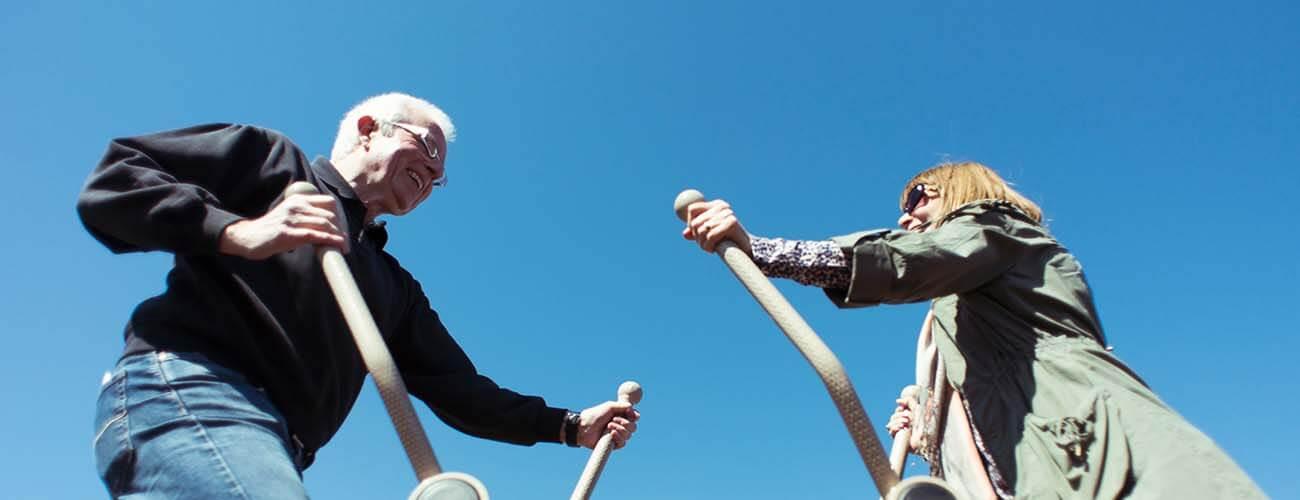
For a low-impact cardio and mobility-focused workout, try our Air Walker or Double Air Walker. Meanwhile, our elliptical cross trainer provides a full-body workout, lessening joint stress and boosting mobility. Alternatively, engage both arms and legs with our Arm and Pedal bike, which is ideal for those with restricted movement. Our Cross-Country skier is also gentle on the joints.
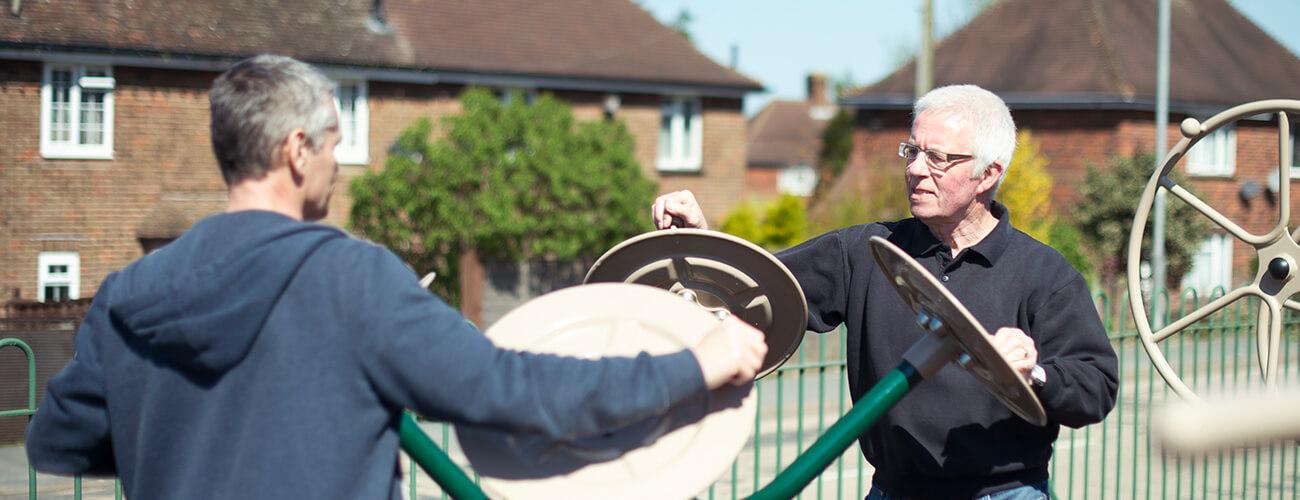
In terms of mobility, our T’ai Chi spinners promote shoulder and wrist flexibility and help relieve stiffness. Equally, our Hip Twister boosts balance and coordination, giving a greater range of motion in the hips.
Finally, our Seated Leg Press and rowing machine help strengthen the muscles around the joints (like knees and hips) in a controlled, seated position, protecting joints and building support.
So if you think you or someone you know who has arthritis could benefit from a little gentle outdoor work out, find your nearest Fresh Air Fitness gym. Or, if you’re interested in installing an outdoor fitness gym in your community, contact our specialist team for an initial chat.