23rd March 2026
With 7.4m awaiting elective treatment as of the middle of last year, and more than 40% of patients spending four hours or longer in A&E before being seen, the intense pressures on the NHS are well known and documented.
The shift towards community-based rather than hospital care, sometimes also known as ‘the left shift’, is a strategic move towards providing care closer to home, for example via GPs, pharmacies and clinics, instead of acute hospitals settings. The idea is to tackle increasing demand and costs while enhancing patient access to medical care.
Under this plan, hospitals focus more on emergency and specialist care and complex surgeries. There’s also a greater drive towards preventing health issues and personalised, integrated care for long-term conditions in local communities, as detailed in the 10-Year Health Plan for England.
In a blog post, Director of Public Health at NHS England Sarah Price stressed the importance of another vital shift to help with preventative care so that more of us lead longer, healthier lives.
The article stresses: “Promoting and encouraging physical activity supports people to maintain good health and is one of the best ways to help stave off many illnesses while reducing risk factors which lead to illness.”
Given the UK’s ageing population, exercise and its associated physical and mental benefits become even more crucial. Incorporate workouts into your daily life and you boost your chances of staying healthier and more independent for longer.
Price says: “I have seen how integrating physical activity in NHS care and communities can transform health and wellbeing … and this is backed by evidence.”
Advantages of moving more, the blog says, include:
It’s worth bearing in mind that, according to research published in The Lancet, a lack of physical activity is a contributing factor in one in six UK deaths. So the World Health Organisation increasingly recognises it as a top priority.
The blog concludes:
“Physical activity in communities can empower people to take an active role in their health and wellbeing … As the NHS moves towards a model of community-centred care, it’s important we begin to understand the importance of harnessing the benefits of physical activity. There is … more we can do in collaboration with community partners which would make a huge difference.”
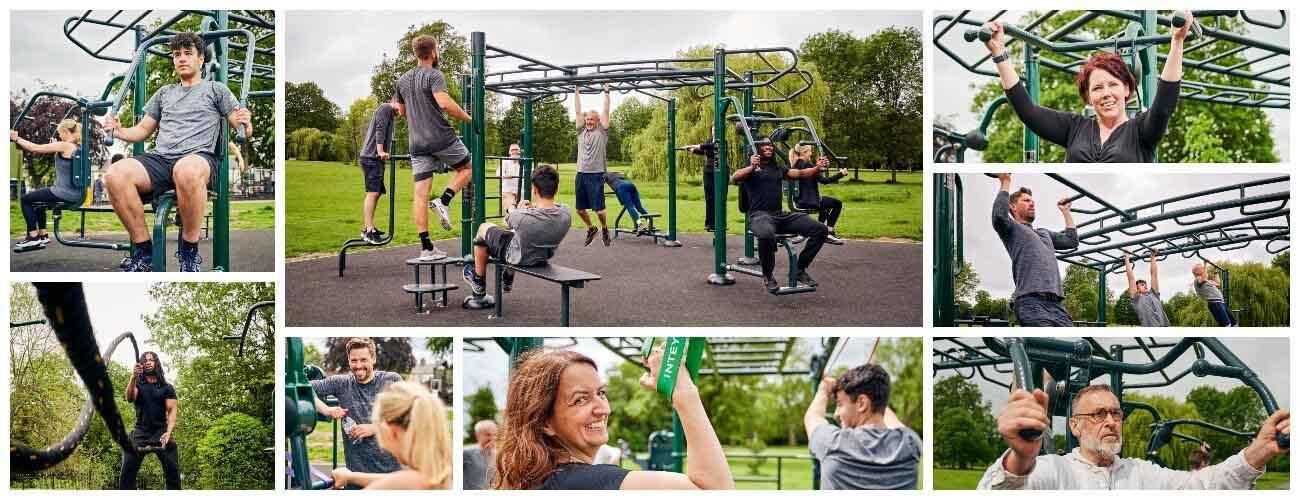
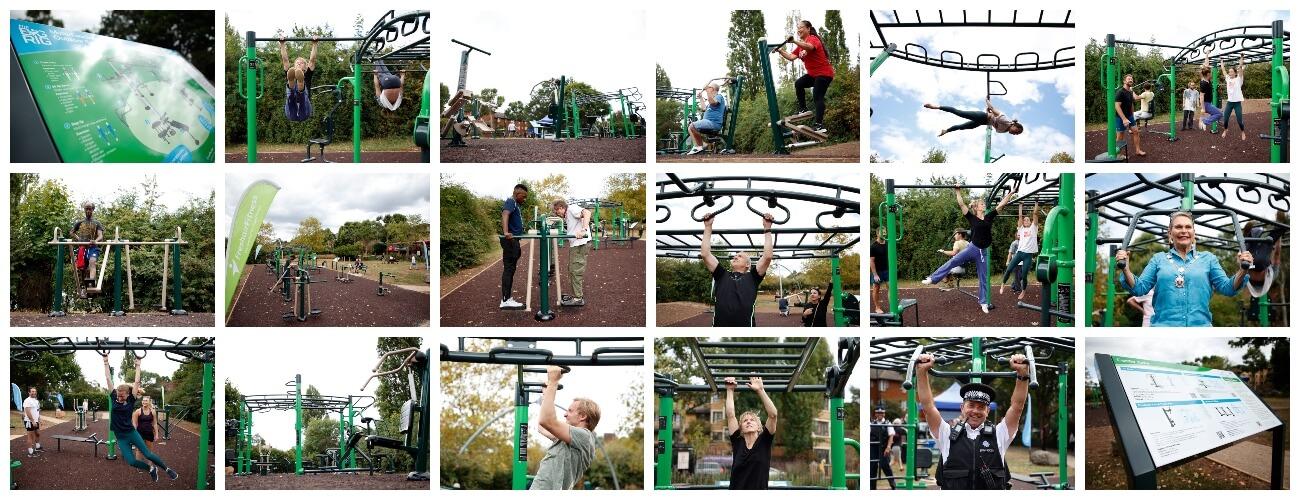
Outdoor gyms remove the financial and social barriers to working out while creating welcoming, accessible and sociable settings for exercise in the heart of a community.
Free at the point of use, these facilities are open all hours to people of all ages, abilities and fitness levels. Outdoor gymsare typically significantly less intimidating than their indoor counterparts, making them relaxing, stress-free places. The combination of fresh air and sunshine plus the chance to top up vitamin D levels makes for a holistic approach.
There’s also potential for group training, local meet-ups and structured exercise sessions. So these facilities become social hubs and can bring a community closer together.
At Fresh Air Fitness, we’re pioneers of outdoor gyms, having been set up in 2007, and we remain leading specialists. We’ve installed thousands of gyms nationwide, with safe, compliant and user-friendly pieces to build fitter, healthier and happier communities. So we could help you, too.
Our products are for everybody, all abilities, all fitness levels, plus, our range gives every user a full-body workout whatever their circumstances. What’s more, our clients include NHS and mental health trusts to support both staff and patients in recovery.
UK-designed and built, the line-up encompasses more than 50 separate pieces offering everything from cardio and strength exercises to flexibility and balance. Plus there’s a comprehensive 25-year warranty on all main structural parts.
Get in touch today whether you’re a housing association, NHS trust, parish council, school or organisation. We could help your local people to raise their physical activity levels while staying out of hospital for longer.