26th March 2026
We all use our grip daily for tasks including getting dressed, brushing teeth and holding our phones. But you may not be aware that your grip is also an important indicator of general health. Put starkly, the stronger your grip, the less likely you are to die early.
One study of 140,000 people across multiple nations found that a weaker grip was linked to a greater risk of heart attack and stroke, and predicted ‘all-cause mortality’ more accurately than blood pressure. So your grip identifies issues beyond the hands and wrists.
There are also links with a weaker grip and:
So doctors regularly use grip strength to assess a patient’s health quickly. And with no machinery required, it’s a simple test to do. While it only measures upper-body strength, a grip test can be combined with a sit-to-stand assessment examining lower-body strength.
From the age of around 50 onwards, patients with a weak grip regularly report fatigue, slower recovery from minor illnesses plus a higher body-fat percentage. On the other hand, those with a stronger grip typically have better functional fitness.
Some grip weakening is inevitable as we age and muscle mass and nerve function decline. But remaining active slows the process down.
And it’s worth noting that actually we don’t just have a single grip, contrary to what you may have thought. For example:
But the good news is that what works for one grip type is also good for the others.
Squeeze a tennis ball and assess how long you can hold your tightest grip for. Do it frequently and you’ll quickly get a feel for your grip’s improvement or deterioration. Notice your grip in daily tasks, too, such as opening a tight jar, wringing out a cloth or carrying a kettle.
If you’re after a more official assessment, you could buy an inexpensive dynamometer and find out how much force you should be able to exert given your age and gender – men typically have a stronger grip.
Work on grip strength while completing daily activities such as cooking, gardening or carrying laundry. Additionally:
Meanwhile, at the gym you can try dead hangs, a reverse kettlebell-above-the-head shoulder press or barbell bent-over rows.
At leading, award-winning UK outdoor gym equipment provider Fresh Air Fitness, we’ve previously written about grip strength and are very aware of its importance.
You may not have thought about improving your grip power at a gym under the sky. But doing so also gives you access to other machines, so you get a full body workout. Plus there are no membership fees and you can use these facilities at any time.
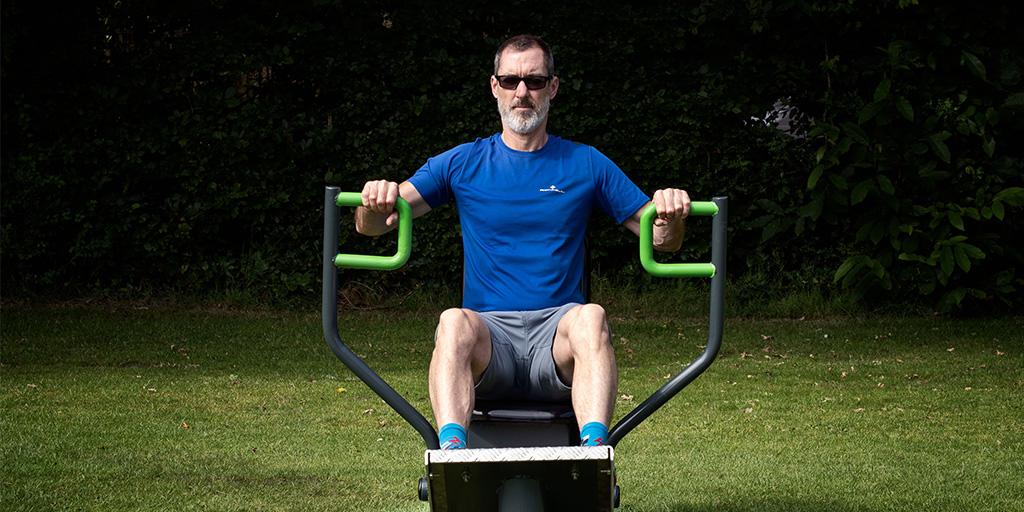
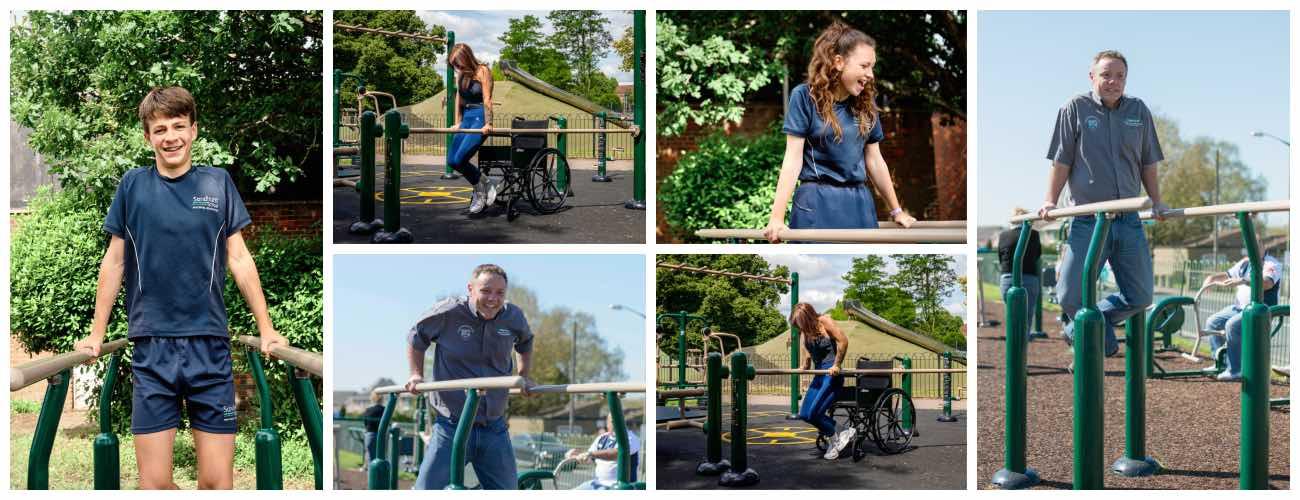
Our machines which specifically help grip strength include:
So find one of our gyms near you today and start enjoying the benefits of an outdoor full-body workout. Plus we work for many different clients, so contact us to discuss fitting one easily and cost-effectively in your own community.