16th December 2025
ADHD, or attention-deficit hyperactivity disorder, is thought to impact some 8% of children age three to 12, and about 6% of those between the ages of 12 and 18. Worldwide, no other disability diagnosis is more commonly made in children. This neurodevelopmental condition affects brain function, causing persistent patterns of inattention, hyperactivity and impulsivity, all of which can have an impact on daily life.
It’s certainly something which may make school challenging, since there’s a potential impact on behaviour and academic performance, as well as attendance. However, new research has revealed that physical activity could offer a possible solution by helping youngsters who have ADHD to do better at school.
The recently published study, conducted at Nottingham Trent University, involved 27 nine to 11-year-olds with ADHD who participated in two trials. The first was a half-hour exercise circuit which also engaged their brains across several stations or stages. Tasks involved playing ‘Simon Says’ and coordination challenges. In the second trial or group, the kids weren’t active but remained in their seats.
Pupils also did three cognitive tests on a laptop, before, just after and the morning after the exercise game. These measured impulse suppression, short-term memory plus the ability to organise and interpret information. In all three, performance had improved after exercise compared with resting. The physical activity also helped kids to slow down and so answer questions in the tests more accurately, while the benefits were found to extend in to the following day, so there are potential advantages for both kids and their teachers.
Researchers admit that their study was a small one and that further work would be required, but described the results as ‘promising’. Equally, the exercise activity was short and simple and something classroom teachers could easily deliver.
It’s not the only study to link one-off bouts of activity with benefits for pupils who have ADHD. Bonuses have additionally been found from longer exercise sessions, while games-based activities in particular can help cognitive outcomes in young people with the condition. Yet current evidence indicates that just 20 minutes can yield cognitive boosts.
What’s more, the benefits of movement can extend across areas from attention to impulsivity and cognitive flexibility.
However, other research shows that kids with ADHD are around 20% less likely to meet physical activity guidelines than their contemporaries. Some of the barriers to exercise for this group could include poor motivation, low self-belief and problems handling big emotions in settings which may feel overwhelming.
At Fresh Air Fitness, the UK’s leading provider of outdoor gyms, we’ve previously written about how regular exercise boosts kids’ physical and mental health, as well as how well they do in school. Plus we’ve reported on how the type of PE activities a school offers can affect students’ concentration and levels of the hormone cortisol, which helps convert sugar to energy, controls immunity and regulates daily rhythms, peaking in the morning and falling at night.
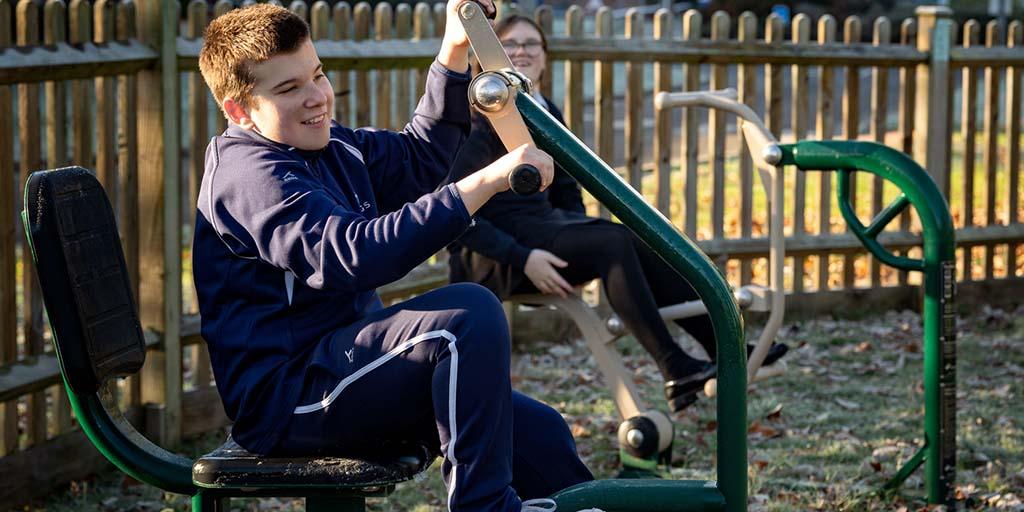
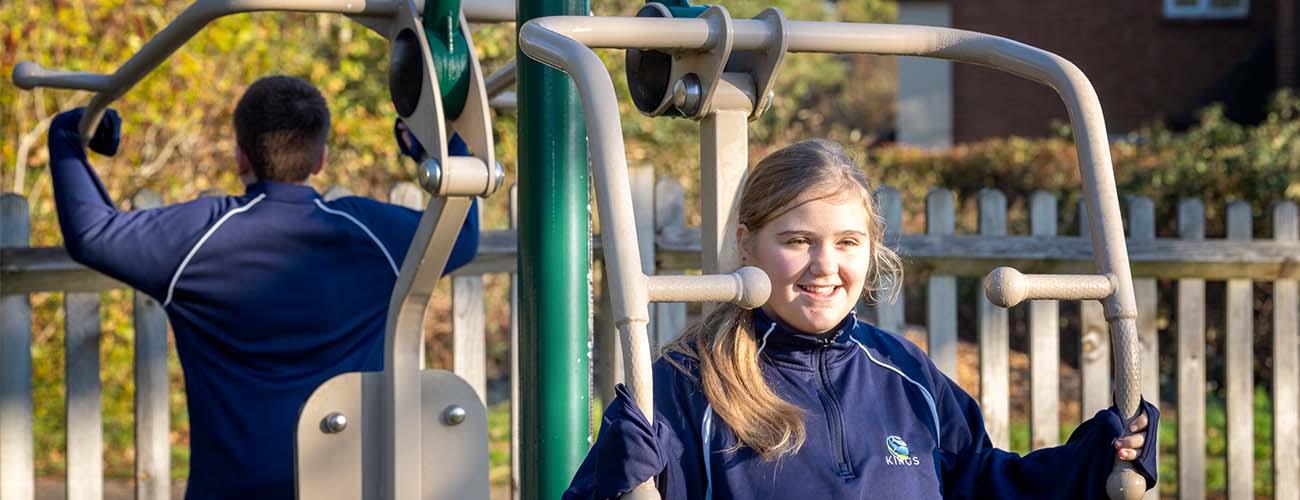
We’ve supplied outdoor fitness equipment to primary, and secondary schools for almost 20 years. We have worked with SEND schools and SEND departments within mainstream schools to support children with special educational needs, so we’re very aware of the benefits of these pieces in educational settings. What’s more, we’re with our school clients from initial consultation through to completion, and always supply comprehensive instructions for use.
As well as enhancing formal PE classes, our outdoor amenities are popular during breaks, as well as before and after class, making for a more active school day. Contact us to learn more – and browse our range of products for key stages 1 and 2 and 3 and 4. What we offer will benefit all the pupils in your school – not just those with ADHD.
Back to all blog posts