Summary
• Regular exercise can significantly reduce pressure on the NHS, with new research showing fewer GP visits, reduced sick leave, and improved quality of life for those who stay active.
• A major UK study found a potential £34bn economic benefit if people with joint pain
exercised for two hours per week, highlighting exercise as a powerful, underused treatment. • Participants in guided exercise programmes reported 35% less pain, 29% fewer GP appointments, and nearly 50% fewer sick days, with many returning to work after completing the sessions.
• The social value of exercise extends far beyond physical health, improving mental wellbeing, reducing loneliness, strengthening communities, and even enhancing neighbourhood trust.
3rd December 2025
One benefit of exercising which you may not have considered previously is the way it can help take some of the pressure off our stretched National Health Service. One study by Nuffield Health, Frontier Economics and Manchester Metropolitan University (MMU) published this autumn, for example, found that those with sore joints who work out for a couple of hours weekly see their GP less and spend less time off work sick. Ultimately, this provides the UK economy with a boost worth £34bn.
The analysis involved 40,000 people across the UK with knee, back or hip pain, who completed hour-long exercise classes twice weekly over a 12-week period. And it has resulted in calls for the NHS to make physical activity a standard treatment for those with musculoskeletal conditions.
Researchers from Nuffield Health, Frontier Economics and Manchester Metropolitan University revealed that if the 3.7m in the UK who have painful joints without a clear care plan worked out for two hours a week, the resulting monetary benefits could amount to as much as £34bn. The classes were led by a rehabilitation specialist, and aimed at boosting strength, mobility, stability and cardiovascular health.
Participants typically had more than a third (35%) less pain, saw their GP 29% less often, took nearly 50% fewer sick days and needed family care 21% less. Health-related quality of life increased by 13%, assessed as worth £6,680 in financial terms.
A quarter of those who completed the sessions were unable to work at the start of the programme, but nearly one in 10 could return to work by the end.
One scientist from Nuffield Health told journalists: “If movement were a pill, it would be the most powerful drug on the planet, yet it remains under-prescribed.”
And, obviously, this is just one study and only one example of how exercise and movement can transform lives.
As a leading outdoor gym equipment supplier, we’ve previously posted about the social value of exercise. That refers to the extra benefit a community, economy or environment can enjoy beyond the actual value of the core goods or services being provided. And it includes, for example, benefits you may not have thought about, such as people exercising and meeting others at the same time, boosting social connections. Ultimately, this helps relieve the financial burden of reduced loneliness and poor mental health, as well as, of course, immeasurably improving individual lives.
It’s possible to put very specific financial figures on the social value of exercise, so that, for example:
Those who exercise regularly in their communities, for example at an outdoor gym, will start to feel a greater sense of belonging locally, and better able to trust those who live alongside them.
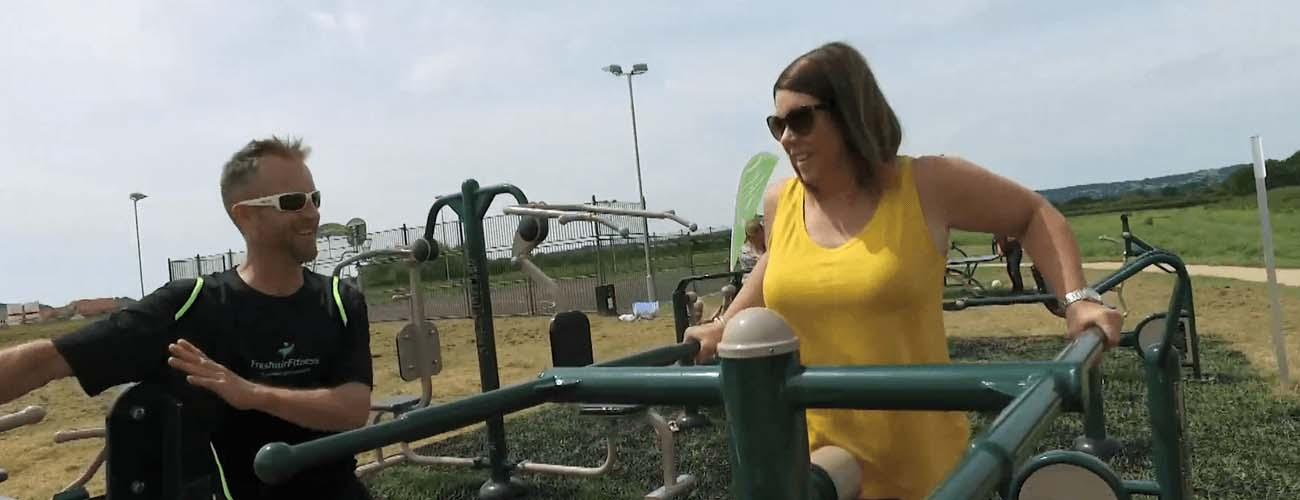
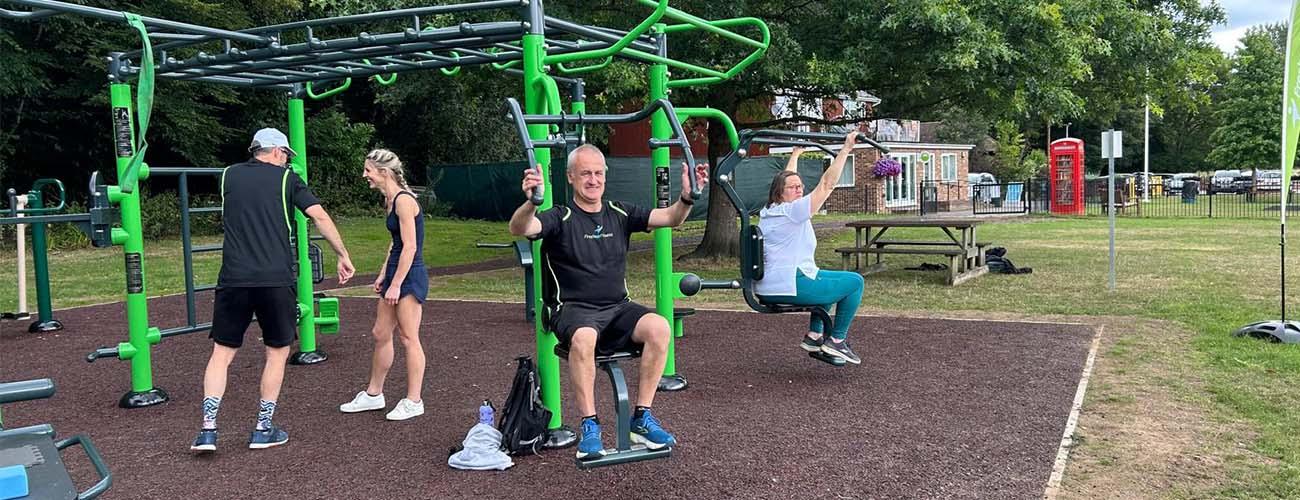
Award-winning Fresh Air Fitness has installed thousands of outdoor gyms in schools, parks, recreation grounds and elsewhere across the UK since 2007. Our high-quality pieces are fully compliant and come with a 25-year warranty. What’s more, our outdoor exercise equipment suit all ages, abilities and fitness levels and provide a full body workout.
Get in touch to learn more about what we could do in your community. The benefits for all concerned could be far more wide-reaching than you may have realised.
Back to all blog posts