9th September 2026
Last autumn, a survey published in HR Magazine reported that approaching half (44%) of UK employees regularly ate lunch as they worked, since they felt they didn’t have enough time for a proper break. Commenting on the poll, a group of employment lawyers urged managers to lead by example in taking lunch hours themselves, along with other shorter breaks throughout the day.
Organisations can also, for example, create tech-free zones with natural lighting, greenery and healthy food choices, to encourage team members to leave their desks and enjoy a more sustainable work-life balance.
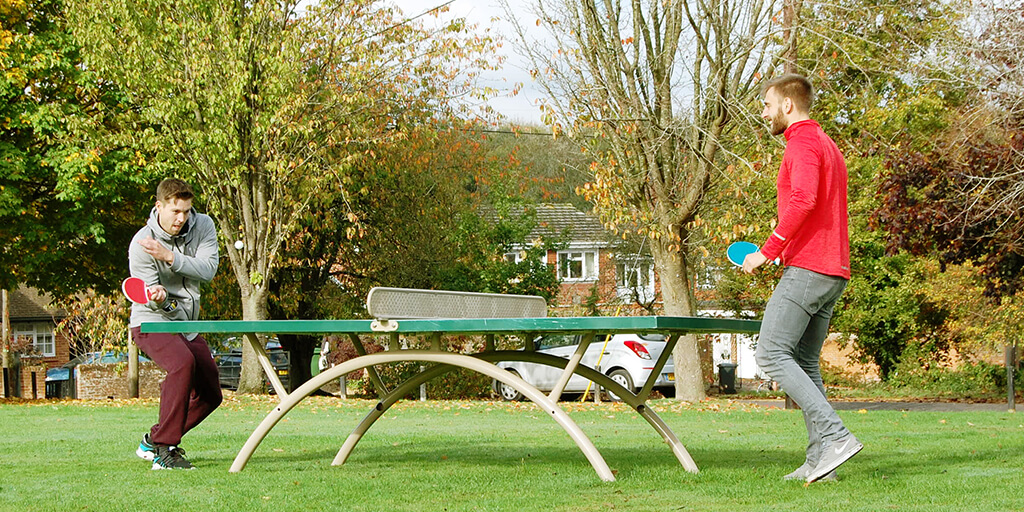
Another key benefit would be to try and build more movement into the working day. Walking, for instance, is often significantly underrated as a physical activity. Yet it is a powerful, low-impact activity which improves heart health, makes bones stronger, burns calories and naturally lifts mood.
Energy, alertness and focus can all dip during the early afternoon, up to a couple of hours after you’ve had lunch. You can feel sluggish and tired or experience ‘brain fog’ at this point in the day. And it’s actually a normal part of the typical Circadian rhythm or sleep-wake cycle.
Equally, if you’ve had a big meal, particularly one high in sugars or refined carbs, blood sugar spikes before crashing, resulting in fatigue. Not only that, but digestion can spark changes in brain chemicals such as serotonin, often leading to sleepiness.
You can beat the after-lunch slump by eating smaller portions and drinking plenty of water. But going for a walk after lunch as part of your working out at a park regime helps to stabilise blood glucose levels and will make you feel more alert.
Another study, again reported in HR Magazine, found that walking wasn’t just beneficial straight after lunch. The Columbia University research, published in the British Journal of Sports Medicine, found that stopping briefly to move every hour, even just for a five-minute walk, could boost mood and reduce fatigue. Plus it could help combat some of the adverse effects of spending so much of the working day sitting down.
And movement breaks should perhaps not be considered a luxury or ‘nice to have’. A five-minute walk can also counteract screen fatigue and cognitive overload. The notion of a five-minute break every hour is also realistic and achievable. Plus you’ll feel more focused and alert when your return to your desk.
So build movement into the daily routine at your workplace.
Just brief periods of exposure to fresh air and sunlight unlock creative thinking and re-energise. You’ll also notice greater cognitive clarity and feel more able to solve problems.
Physical reasons for these bodily responses include the reduction in carbon dioxide once you step outside. Meanwhile, daylight suppresses the sleep hormone melatonin and gives you an instant, natural energy lift. The sun’s rays additionally trigger mood-boosting serotonin plus endorphins. Therefore, you feel less anxious and more relaxed.
At the same time, in nature, your conscious mind rests while your subconscious comes up with new ideas, away from mentally draining screens and in the presence of gentle stimuli such as a breeze or rustling leaves. You process information when you stop trying to force a solution.
While you may not have previously thought of doing this, your outdoor fitness routine could include working out at a park or similar open-air venue where there is workout equipment for outside. Your outdoor fitness drills could include some strength and cardio exercises at your local outdoor gym before you head back to the office – there are so many park workout exercises to try, and you’ll soon reap the rewards of working out at a gym in the sunshine. Equally, bear in mind that outdoor fitness drills provide a full-body workout in the same way a regular gym does.
And, once you’ve completed your workout in the park, colleagues who wanted to could stay on, have lunch together and be back at the office within an hour. This boosts social interaction among co-workers as well.
Don’t forget to do your park workouts at the time of day that works best for you, which could be on the way to work or on the way home, rather than lunchtime.
As an employer, you can promote outdoor workouts among staff during particular health or wellness campaigns such as World Wellbeing Week.
At Fresh Air Fitness, we’ve written before about the importance of healthy workforces and are acutely aware of much fitness can enhance employee wellbeing and mental health, while also greatly boosting productivity.
We’re the UK’s top (and award-winning) provider of outdoor exercise equipment for parks, schools, recreation grounds and others, including various workplaces. Browse our adult gym equipment range and check out our products from chin-up bars to a sit-up bench to parallel gym bars, an arm and pedal bike and many others.
Think about encouraging your staff to use their local park gym and get outside each day for their physical and mental wellbeing. Want to consider installing outdoor gym equipment under the sky at your own place of work? Get in touch – we’ll gladly answer any queries you may have.
Back to all blog posts