23rd April 2026
A new report from the American College of Sports Medicine (ACSM) has found that doing some resistance training is better than doing none at all. Equally, consistency is key to effective workouts. The research, published this spring in Medicine & Science in Sports & Exercise, adds that when you incorporate strength training into your fitness routine, you help improve your long-term health and daily function.
What’s more, there are myriad health benefits across all age groups including:
Not only that, but your programme doesn’t have to be perfect or complex to make a difference. And it’s not just about lifting the heaviest weights in the gym. Senior author Stuart Phillips offers this advice:
“Start now and start simply … and do it consistently.”
Overall, consistency and effort were found to be more important than the type of exercise chosen, or the kind of equipment used. And it doesn’t matter if you’re a bit older and have never previously contemplated strength training; it’s still essential to overall health.
At the same time, there are numerous options for this kind of training, and no single right way of going about it. You can try routines at home, for example, or pick up resistance bands or adopt body weight training, a discipline which uses your own weight and gravity as resistance to perform exercises, with little or no equipment. Squats, step-ups and press-ups also count as resistance training. All of these are accessible with few barriers to getting started. The key element to effective resistance training is that you work your muscles against a force.
The recommendations from the ACSM, called the Position Stand, represent the most significant update on this kind of training since 2009. Researchers put together findings from 137 past studies while incorporating data from over 300,000 healthy adults, most of whom had little or no previous experience in resistance training.
In a nutshell, compared with doing no exercise like this at all, resistance training made a significant difference to:
In terms of strength building, researchers found the best results with heavier weights and where people completed a minimum of two weekly exercise sessions.
For muscle growth, the exact weight used was less significant.
For power, i.e. the ability to move forcefully and quickly, lifting moderate weights explosively yielded the most effective results.
The report recommends kicking off with a convenient, realistic and not overly ambitious routine of perhaps just a couple of weekly sessions. What you do clearly needs to fit in with the access you have to equipment, and everything else going on in your life.
You could even start as gently as with 10 minutes a day or a single weekly training session. Working out with family or friends may boost motivation. Keep the mantra in mind – doing anything is far better than doing nothing.
Also, as with any regime, consider your health and fitness goals and why you are doing this training.
The ACSM report backs up existing knowledge about healthy ageing and muscle strength. Evidence suggests that sarcopenia, the age-related loss of muscle mass and strength reducing physical function and mobility, affects a significant number of older people, especially those aged 70 or older.
Strength training should form the cornerstone of any exercise regime aimed at healthy ageing. Government is picking up on this, with the UK Health and Social Care select committee looking into how physical activity can support healthy ageing, with strength training at the heart of the discussion.
Resistance training could surely also only help in the light of figures published this spring revealing that healthy UK life expectancy has fallen to its lowest level since 2013. Equally, public health leaders are urging greater preventative efforts, beyond hospital settings to tackle health inequalities.
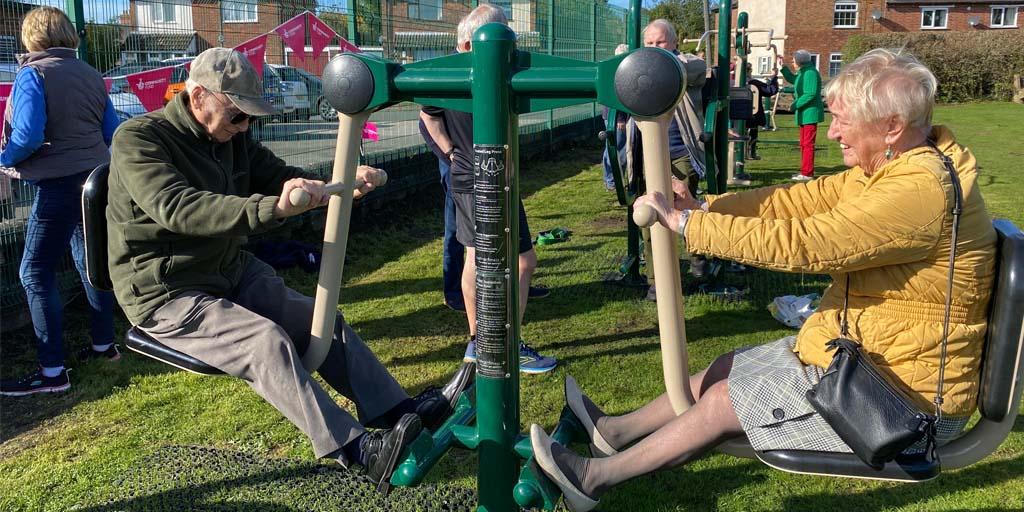
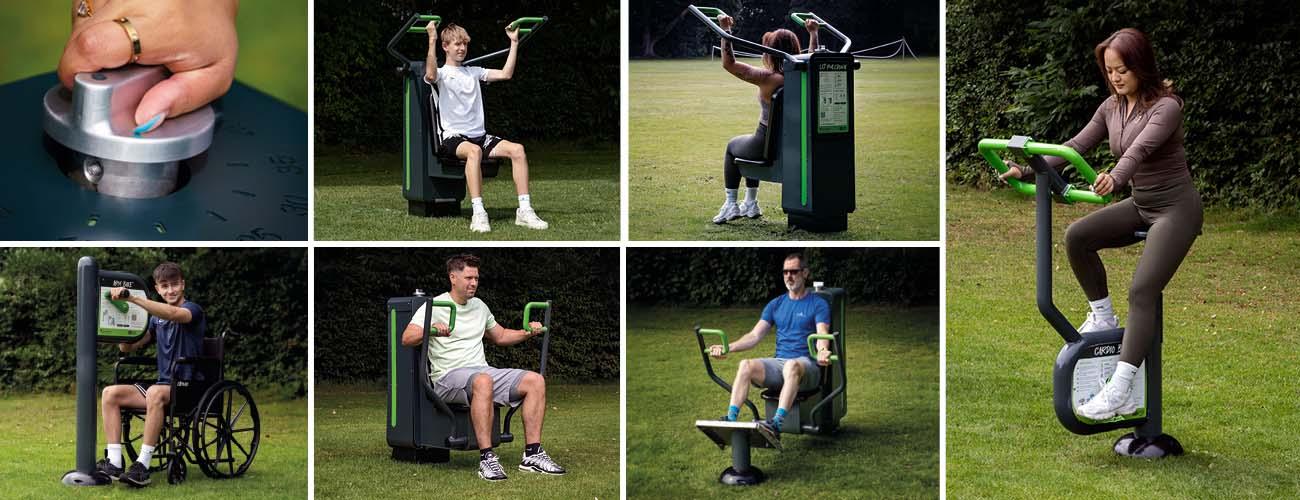
One thing you may not have considered is how an outdoor gym could encourage a healthier community where you are, and therefore potentially longer life expectancy. At award-winning Fresh Air Fitness, we launched our new range of resistance equipment at the start of 2026. Our pieces are easy to use and long-lasting, giving schools, councils and others a way to develop high-value fitness amenities supporting long-term health and wellbeing.
Download our brochure to learn more. Or get in touch to chat about how we could help make your local community (literally) stronger.