7th July 2026
Screentime and young people are in the news a lot at the moment. And (as reported by the BBC) the Government recently announced that it was issuing guidance on screen use for youngsters aged five to 16 for the first time. This will advise parents on healthy screen habits for children aged five to 16, and is set to be published in the autumn.
Meanwhile, a landmark study has shown that screentime even for very small children – up to the age of two – has links with long-term harmful impacts on quality of life and health.
Separate research from the Universities of Strathclyde and Stirling, among others, has found that children need to spend less time looking at screens and more time sleeping and moving.
The Active Healthy Kids Scotland Report Card 2026 looked at various environments, behaviours and inequalities which contribute to lifelong brain health. It’s a technique which more than 70 nations use, and has over 250 peer-reviewed papers so far.
This found that fewer than a fifth of Scots teens meet global guidelines on spending less than two hours daily looking at a screen, while only some 50% sleep for the recommended hours per night – nine to 11 for younger children, eight to 10 for teenagers who are older.
Dr Farid Bardid, senior lecturer in physical activity and health at Strathclyde and the study’s lead author, said: “Physical activity, screen time and sleep influence brain health from early life. For instance, physical activity has short-term and long-term benefits for core cognitive functions underpinning reasoning, planning, and problem solving, which support children’s participation in school, family and community life.”
Clearly, children and young people these days are up against challenges on multiple fronts, from social media to mental health issues such as anxiety, among others. And they have been disproportionately affected by global problems from Covid to the cost-of-living crisis in recent years.
We have previously written about how physical activity including PE and sports in school can make a significant contribution to helping kids lead healthier, happier lives as they work through the various obstacles they face. And the benefits are well documented, ranging from enhanced wellbeing and resilience to reduced social isolation.
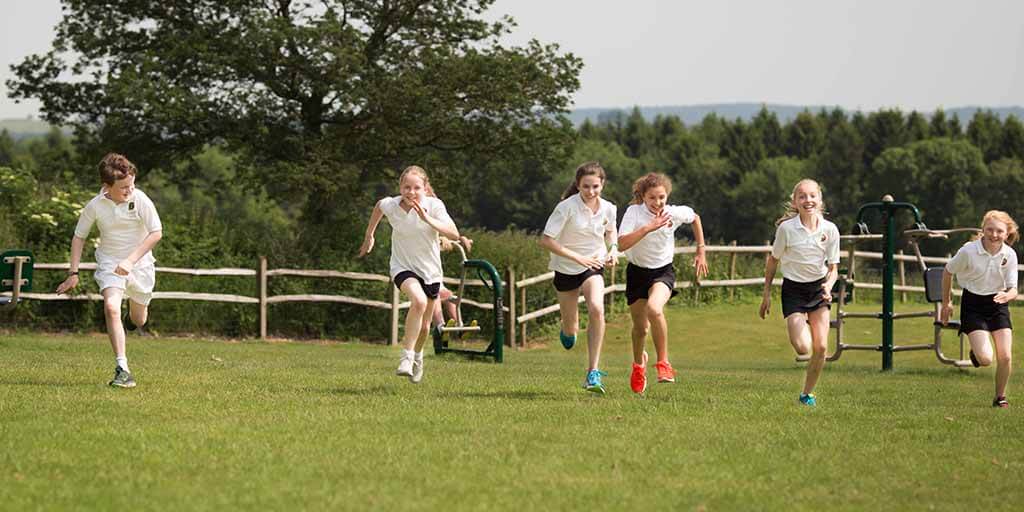
UK Chief Medical Officers recommend that children and young people (between the ages of five and 18) take part on average in a minimum of one hour a day of physical movement. This should vary from moderate to vigorous intensity, with strengthening activities and reduced sedentary time incorporated throughout the week.
According to Sport England’s Active Lives Children and Young People Survey Report published at the end of last year, more than half a million more children met the Chief Medical Officers’ (CMO) guidelines for taking part in an average of 60 minutes or more of sport and physical activity daily than seven years ago – an encouraging rise of 5.8%.
Yet the same study also indicated that under 50% of all kids (49.1%) met government guidelines and that significant inequalities remained. So a significant amount of work still needs to be done.
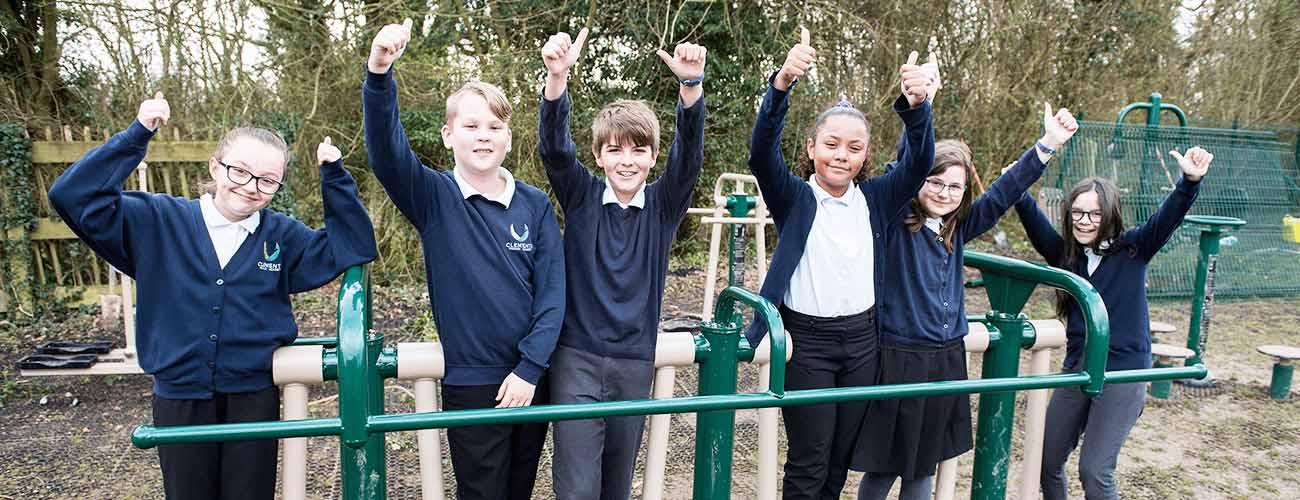
One way of getting children to be more active is to encourage them to use an outdoor gym, either one that’s local to home or during the school day. Working out at a facility like this can reap multiple rewards, including:
As the long school summer holiday approaches later this month, a lack of structure to the day, with no PE lessons, after-school clubs and so on, plus no walking or cycling to school, can make it harder to ensure kids remain active.
But there are plenty of things parents can do, including maintaining a routine, walking as much as possible and encouraging the kids by exercising with them as and when possible.
Equally, your local outdoor gym gives you ample opportunity to work out as a family and stay active this summer. Why not walk or cycle there and increase the number of minutes you spend moving?
We are a UK provider of reliable, high-quality outdoor gym equipment in a variety of settings, including schools, recreation grounds, residential homes and others. Check out our extensive range of fitness equipment, suitable for all ages and which comes with a 25-year warranty.
Our gyms give users a full-body, free-of-charge workout at a facility near them, whatever their level of fitness or ability, and in a way that’s inclusive and sociable.
So try and visit your nearest facility like this this summer. And if you feel your community would benefit from an outdoor gym, get in touch.
Back to all blog posts